What is the difference between HIFU lifting and RF lifting?
HIFU lifting focuses acoustic energy on a single point, while RF lifting delivers energy based on electrical current to the skin.
Comparing Treatments · Q41
Comparing Treatments · Q44
Question: How should I choose a lifting treatment for my age?
Rather than choosing lifting by age group alone, the choice is made after checking the degree of skin laxity, the area and your health. Skin condition differs from person to person even at the same age, so at CELITA Clinic the Director suggests an approach at consultation based on AI skin analysis and ultrasound findings. The age-related points that have been established are the consent rules for minors, the limits for severe laxity and reported complication risks with thread lifts.
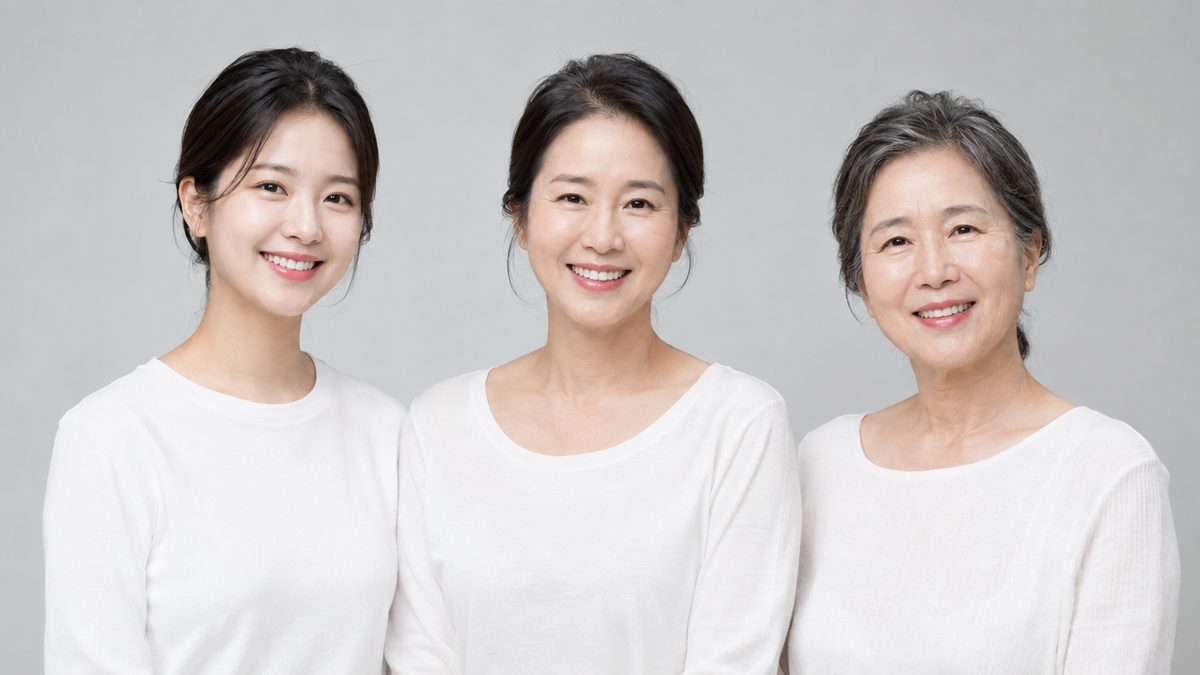
The type of lifting is not set by age group; it is chosen based on the degree of skin laxity, the area and the results you want.
Even at the same age, skin thickness, firmness and where sagging occurs differ from person to person. So rather than recommending a particular device based on age, the current skin condition needs to be checked first.
At CELITA Clinic, the face is photographed in 3D and analyzed by AI with EVE V MUSE, the condition beneath the skin is checked with Sono Finder, and then the Director assesses you one-on-one. The number of shots is also decided by considering skin firmness, the size of the area and the expected results.
The literature explains that focused ultrasound (HIFU) suits mild to moderate laxity of the skin and soft tissue, and that surgery should be considered for older patients with severe laxity or prominent neck bands.
A review of non-ablative radiofrequency (RF) also concluded that its effects are modest and that it is not an equivalent substitute for surgery. It is important to choose non-surgical lifting with these limits in mind.
CELITA Clinic currently focuses on non-surgical treatments. At consultation, the range of what can be expected from non-surgical methods and their limits are explained together.
A thread lift meta-analysis reported a higher risk of complications in people aged 50 or older and with non-absorbable threads.
In the same analysis, common side effects included swelling, skin dimpling, abnormal sensations and visible or palpable threads. If you are considering a thread lift, it is a good idea to review these risks at consultation.
With age, the number of medications taken and conditions may increase. Information such as blood-thinning medication, diabetes, autoimmune disease and heart conditions can affect whether a treatment is suitable, so share it before treatment.
At CELITA Clinic, anyone under 19 (international age) needs a guardian's consent; lifting such as Onda lifting is possible, but filler and thread lifts are not.
Some device manufacturers state that children were not included in their studies or evaluations. The Ultherapy instructions for use and Thermage safety information list children as a group that has not been evaluated or studied.
Minors therefore need to review the need for treatment and the precautions at consultation together with a guardian.
No age-based standard for when to start has been established. It is appropriate to have your current skin condition and concerns assessed and then review at consultation whether treatment is needed and what can be expected.
Pain during lifting is reported as moderate in studies, with large individual differences. Whether to use numbing cream is considered depending on the type of treatment, and sedation is not provided as standard.
It helps to share your 2-3 main concerns, the medications and supplements you take, allergies and previous treatments. If you have an implanted device, be sure to mention it first.
This article is general medical information, not a diagnosis or treatment. Results, recovery time and side effects vary with each person's skin, and whether a treatment suits you is decided after consultation with a doctor. If you notice unusual symptoms, contact the clinic that treated you right away.