What is a skin booster?
A skin booster is an injectable delivered into the dermis with the aim of improving signs of skin aging such as dullness, dryness and loss of firmness.
Skin Boosters · Q25
Skin Boosters · Q28
Question: How do I choose between the different types of skin boosters?
The type of skin booster is chosen by considering the skin concerns you want to address, the properties and recovery pattern of each ingredient, and how many times and when you can visit. Hyaluronic acid (HA), polynucleotide (PN) and biodegradable polymers such as PDLLA differ in their known properties and in the pattern of bumps they leave. Even with the same product, responses and side effects vary between individuals, so it is advisable to decide after a skin assessment and consultation.
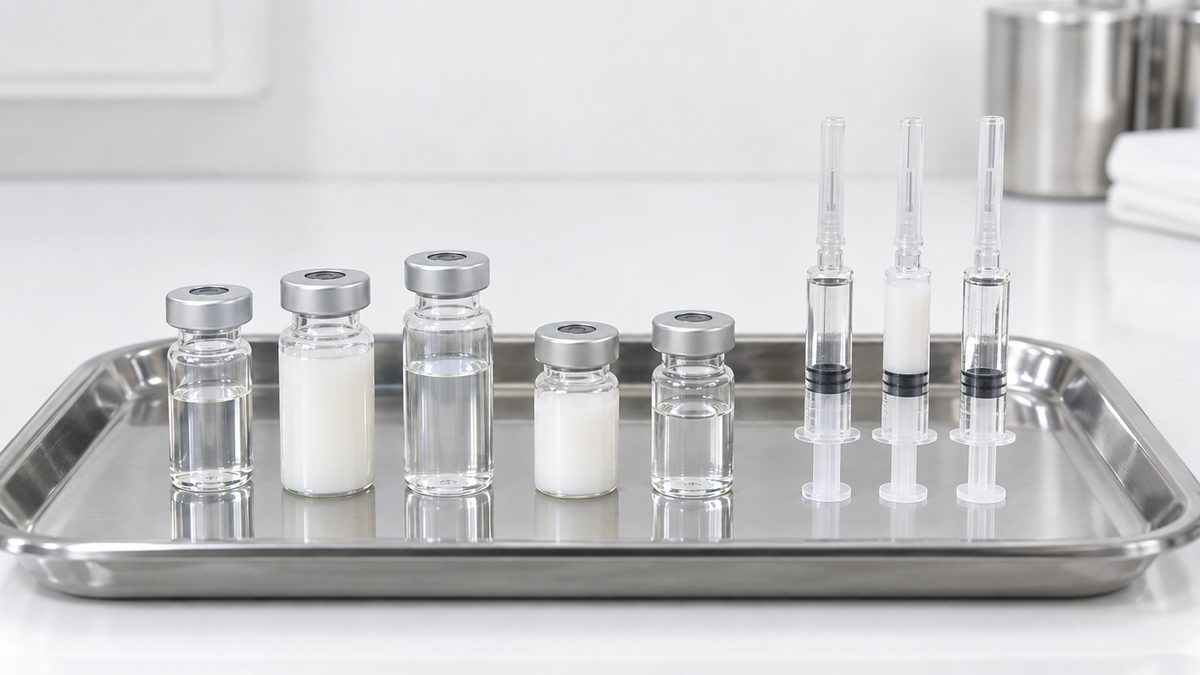
The starting point is to rank the 2-3 skin concerns you most want to address.
CELITA Clinic advises that planning is more accurate when you come to consultation with 2-3 concerns ranked in order of priority. The ingredients worth considering differ depending on whether your concern is dryness, dullness, loss of firmness or something else.
At CELITA Clinic, the face is photographed in 3D with EVE V MUSE and analyzed by AI before treatment, and the Director explains the results one-on-one while deciding on the product with you.
| Type | Examples at CELITA Clinic | Known properties | Points to note |
|---|---|---|---|
| PN | Rejuran Healer, Rejuran HB | Described as having high viscoelasticity and water-binding capacity | Usually small, temporary bumps |
| PDLLA+HA | Juvelook | Combination of a biodegradable polymer and HA | Nodules and longer-lasting bumps possible |
| HA | Confirmed by product | Increased hydration for up to 16 weeks reported in a repeat-injection study | Non-crosslinked breaks down quickly; crosslinked may cause papules |
Skin booster ingredients differ by type in their known properties and precautions; the main types are HA, PN and biodegradable polymers such as PDLLA.
A randomized study (159 people) of repeated injections of an HA and glycerol product reported increased skin hydration for up to 16 weeks, but there are also reports that non-crosslinked HA breaks down quickly and gives inconsistent results. Injecting crosslinked HA into the dermis can cause small beads or papules.
PN (the main ingredient of Rejuran) is described as having higher viscoelasticity and water-binding capacity than PDRN. For PLA-based products such as PDLLA and PLLA (Juvelook combines PDLLA and HA), nodules are described as the main concern when injected into the dermis.
The size and duration of injection bumps differ by ingredient, which can matter when an important event is coming up.
Non-crosslinked HA and PN are described as usually leaving small, temporary bumps, while synthetic polymers such as PLA can leave more visible, longer-lasting bumps. CELITA Clinic advises that temporary bumps settle within 1-3 days, though this varies between individuals.
If you have an event such as a wedding, CELITA Clinic advises having a skin booster 1 month before and only soothing care in the final week.
Each product has a different recommended or studied number of sessions and interval, so the choice also considers how many times you can visit.
For example, the Juvelook manufacturer usually recommends 3 sessions about 6 weeks apart, while for PN there is a study of 4 sessions at 2-week intervals and a European consensus suggesting 3 sessions at 3-week intervals. If repeat visits are difficult, these differences affect the choice.
CELITA Clinic designs protocols with cases like overseas visitors, who find repeat visits difficult, in mind, so let us know during consultation how long you are staying and when you might be able to visit again.
The combination and order of treatments differ for each procedure, so the plan is reviewed during consultation. If you are interested in several products, let us know along with your priorities.
Easily irritated skin, allergies, recurring cold sores and previous cosmetic treatments are part of the medical history to share before treatment. Telling us about any medications and supplements you take also helps the medical team choose the product and method.
The Director explains your skin condition with reference to the EVE V MUSE 3D facial imaging and AI analysis and, when needed, a Sono Finder ultrasound check. The results are objective data to support the decision, and the final decision is made during consultation.
This article is general medical information, not a diagnosis or treatment. Results, recovery time and side effects vary with each person's skin, and whether a treatment suits you is decided after consultation with a doctor. If you notice unusual symptoms, contact the clinic that treated you right away.