How much downtime does each lifting treatment have?
Lifting downtime differs by treatment: Ulthera swelling usually lasts 3 to 72 hours, while thread lift edema is generally reported at 2 to 4 weeks.
Lifting Downtime & Care · Q17
Lifting Downtime & Care · Q18
Question: How long does swelling last after lifting, and how can I reduce it?
Swelling after lifting lasts different lengths of time depending on the treatment: usually 3 to 72 hours in Ulthera studies, usually within 5 days according to the Thermage manufacturer, and generally 2 to 4 weeks in thread lift studies. To reduce swelling, do not rub the treated area, avoid alcohol, smoking, saunas and strenuous exercise for 1 week, and use cold compresses as advised by the medical team. Duration and degree vary from person to person.
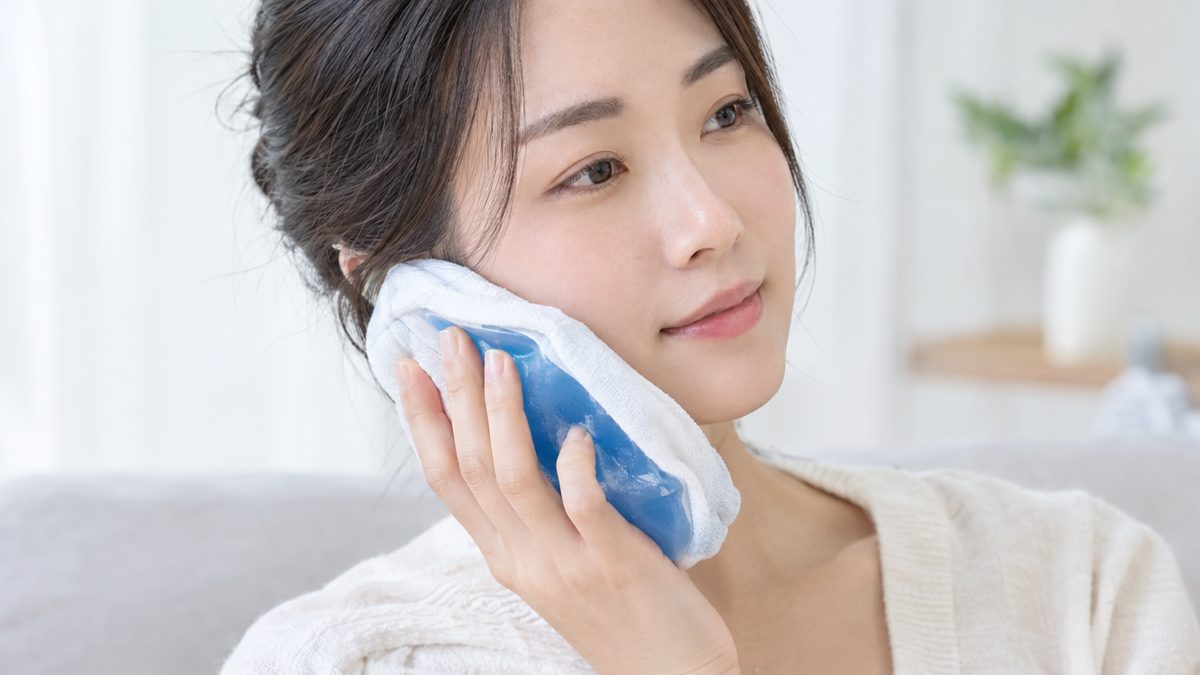
The duration of swelling depends on the treatment: it is reported to settle usually within 3 to 72 hours for Ulthera, usually 5 days for Thermage, and generally 2 to 4 weeks for thread lifts.
Face and neck clinical data in the Ulthera instructions for use reported that edema usually resolved within 3 to 72 hours and welts usually within 1 week. The manufacturer of Thermage notes that swelling usually resolves within 5 days but can last up to several weeks.
For thread lifts, a meta-analysis of 26 studies reported edema in 34%, and most studies reported that it settled without treatment within 2 to 4 weeks. Manufacturer figures were not found for Onda and Shurink Universe, so guidance is given in the consultation according to your condition.
The basics for reducing swelling are not rubbing the treated area and avoiding alcohol, smoking, saunas, swimming and strenuous exercise for 1 week.
These are CELITA Clinic's general aftercare instructions, and gentle face washing and makeup are possible 2 to 3 hours after treatment. For home care, a three-step routine is recommended: gentle cleansing, moisturizing 3 times more thickly than usual, and applying sunscreen even indoors.
There may be additional precautions depending on the type of treatment, so also check the aftercare instruction card prepared in your language.
The usual advice is not to put ice directly on the skin but to apply an ice pack wrapped in cloth for about 10 to 20 minutes at a time.
The UK NHS advises repeating this for the first 1 to 2 days for ordinary bruises. The American Academy of Dermatology explains that after filler injections, an ice pack for 15 to 20 minutes before leaving the clinic may be recommended to reduce redness and swelling.
These guidelines are for ordinary bruises and fillers, so whether and how long to use a cold compress after lifting should follow the medical team's advice for your type of treatment.
After a thread lift, early swelling can hide skin dimpling, so checking progress 1 to 2 days after treatment is described as important.
Papers explain that a slightly raised look at the outer corners of the eyes becomes natural within 2 to 3 days as swelling goes down. CELITA Clinic also explains that dimple-like indentations become natural as the swelling subsides, and advises not opening the mouth wide or laughing broadly for 2 weeks.
Visible threads or skin dimpling that remain after 4 weeks are classed as late complications, so it is a good idea to let the clinic know and have them checked.
Differences between sides are better judged after the swelling has gone down. Facial asymmetry has been reported as a common side effect of thread lifts, so if a difference remains after the swelling subsides, it is a good idea to have it checked at the clinic.
No authoritative guideline on when to fly after non-surgical lifting was found. If you share your departure schedule during the consultation, CELITA Clinic will adjust the treatment considering factors such as whether you are flying the same day.
According to CELITA Clinic's guidance, temporary small bumps (injection bumps) after a skin booster settle within 1 to 3 days. Try not to scratch even if they itch.
This article is general medical information, not a diagnosis or treatment. Results, recovery time and side effects vary with each person's skin, and whether a treatment suits you is decided after consultation with a doctor. If you notice unusual symptoms, contact the clinic that treated you right away.