How long does swelling last after lifting, and how can I reduce it?
How long swelling lasts after lifting depends on the treatment; it is managed by not rubbing the area and avoiding alcohol and saunas for 1 week.
Lifting Downtime & Care · Q18
Lifting Downtime & Care · Q21
Question: When can I wash my face and wear makeup after a lifting treatment?
According to CELITA Clinic's general aftercare instructions, you can gently wash your face and wear makeup from 2 to 3 hours after a lifting treatment. The basics are not rubbing the treated area and combining gentle cleansing, plenty of moisturizer and sunscreen. How much redness or swelling remains and how fast you recover vary from person to person, so if you see a wound or blister on the skin, contact the clinic before applying makeup.
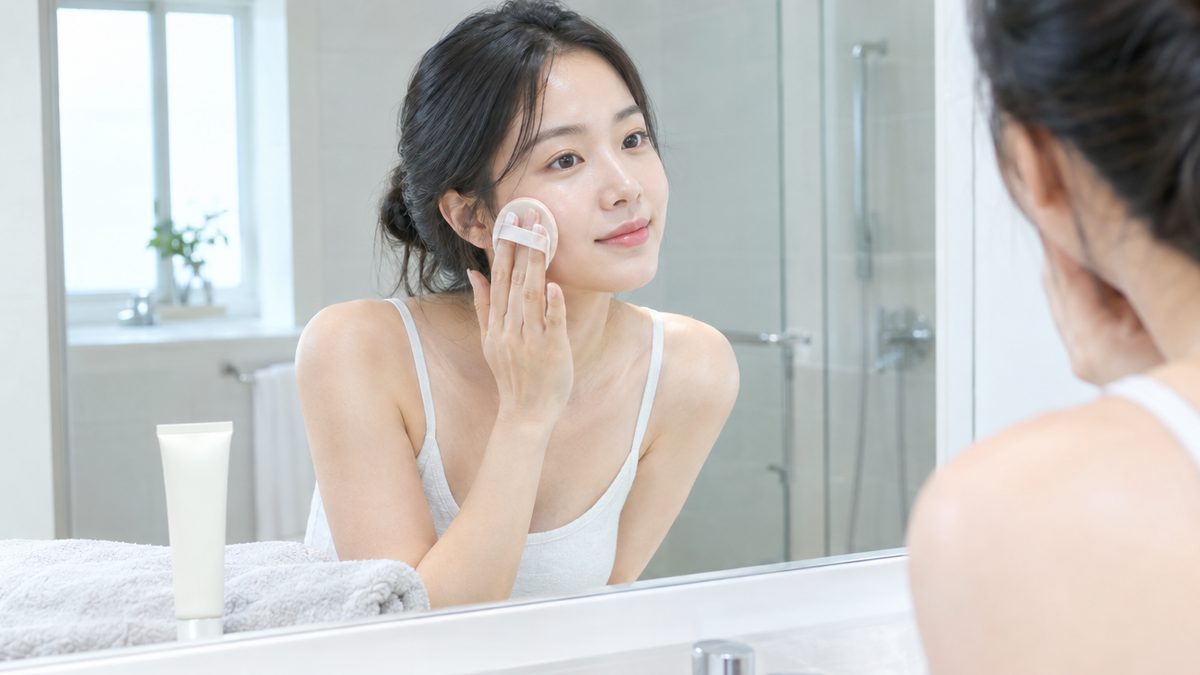
According to CELITA Clinic's general guidance, gentle face washing is possible from 2 to 3 hours after treatment.
On the day of treatment, wash briefly with lukewarm water and a gentle cleanser, and avoid rubbing with your palms or using exfoliating products. When drying with a towel, do not rub; press lightly to remove the water.
CELITA Clinic provides this information on aftercare instruction cards in each language, so follow the card you receive after treatment first. Additional precautions may apply depending on the type of treatment.
Like face washing, the general guidance is to apply makeup lightly from 2 to 3 hours after treatment.
When applying foundation or concealer, it is gentler on the skin to pat it on lightly rather than rubbing the treated area hard with a puff. If redness or swelling remains, a thin layer is better than heavy makeup.
The Ultherapy instructions for use state that redness usually resolves within a few hours, and the manufacturer of Thermage explains that redness usually resolves within 24 hours. However, these are device-specific data, and redness may be visible for longer in some people.
CELITA Clinic recommends a three-step home care routine: gentle cleansing, moisturizing 3 times more thickly than usual, and sunscreen even indoors.
Right after treatment, the skin may feel drier and more sensitive than usual, so moisturizing generously is the basic step. It is sensible to put off harsh products such as scrubs and peeling products until the skin has calmed down.
The American Academy of Dermatology (AAD) recommends broad-spectrum sunscreen that blocks both UVA and UVB, SPF 30 or higher and water resistance, applied about 15 minutes before going outside and reapplied every 2 hours outdoors.
The basic principles are the same, but treatments involving injection or insertion, such as skin boosters or thread lifts, come with additional instructions.
After a skin booster, temporary small bumps (injection bumps) are described as settling within 1 to 3 days, and you should not scratch them even if they itch. It is better not to apply heavy makeup over the bumps or rub them hard.
After a thread lift, you are advised not to open your mouth wide or laugh broadly for 2 weeks, so it is also better to avoid movements that stretch the face strongly when washing or applying makeup. Visitors from abroad can mention their departure schedule and whether they need makeup on the same day during the consultation, and the treatment can be adjusted with this in mind.
Yes, you can. CELITA Clinic's visit process includes a face cleansing step of about 5 minutes after check-in to remove makeup and sunscreen, so you can cleanse your face at the clinic.
The American Academy of Dermatology advises applying enough broad-spectrum SPF 30 or higher product for sun protection and reapplying every 2 hours outdoors. It is a good idea to check the product label and how much you apply.
Guidance can differ depending on the treatment area and type of treatment, so this article does not give a single rule. If you mention the products you usually use and your schedule during the consultation, the medical team will check for you.
This article is general medical information, not a diagnosis or treatment. Results, recovery time and side effects vary with each person's skin, and whether a treatment suits you is decided after consultation with a doctor. If you notice unusual symptoms, contact the clinic that treated you right away.